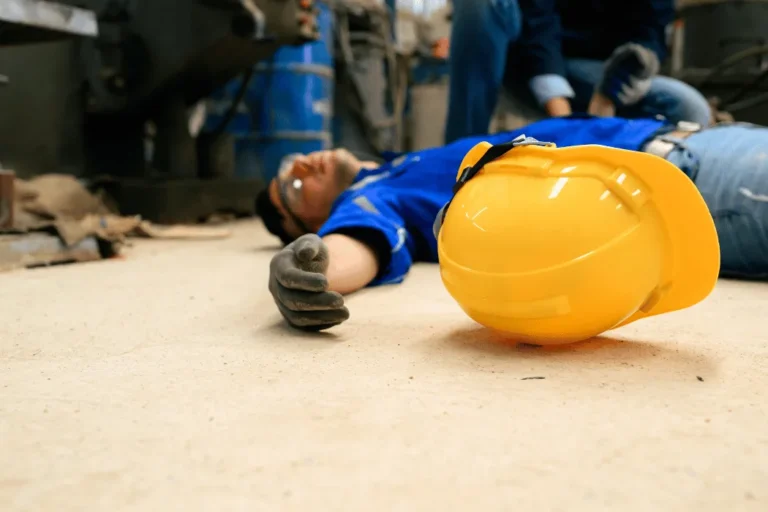
What to Do After a Construction Accident: A Step-by-Step Legal Guide

Construction sites are among the most hazardous work environments, with workers facing daily risks from heavy machinery, elevated work areas, electrical systems, and dangerous equipment. When a construction accident occurs, the consequences can be severe, resulting in serious injuries, mounting medical bills, lost income, and emotional distress. Knowing what to do immediately after a construction accident can protect both your health and your legal rights. Taking the proper steps also strengthens your ability to pursue compensation if negligence contributed to the accident.
At DZ BEST INJURY ATTORNEYS, our experienced Construction Accident Lawyers and Construction Lawyers help injured workers understand their legal options and guide them through every stage of the claims process. This step-by-step guide explains what you should do after a construction accident to protect yourself and your future.
Step 1: Seek Immediate Medical Attention
Your health should always be your first priority. Even if your injuries appear minor, seek medical attention immediately. Some injuries, including internal bleeding, traumatic brain injuries, and spinal injuries, may not show symptoms right away.
Prompt medical treatment helps:
- Protect your health
- Identify hidden injuries
- Create official medical records
- Connect your injuries directly to the accident
Always follow your doctor’s treatment plan and attend every follow-up appointment.
Step 2: Report the Accident Immediately
Notify your supervisor or employer as soon as possible after the accident occurs. Reporting the incident promptly creates an official record and helps preserve important details about what happened.
When reporting the accident:
- Explain the facts accurately.
- Describe your injuries.
- Identify any witnesses.
- Request a copy of the accident report if available.
Avoid guessing or speculating about what caused the accident.
Step 3: Document the Accident Scene
If your condition allows, gather as much information as possible before conditions at the construction site change.
Helpful evidence includes:
- Photographs of the accident scene
- Equipment involved
- Unsafe working conditions
- Broken safety equipment
- Warning signs or missing barriers
- Visible injuries
This documentation may become valuable evidence during your legal claim.
Step 4: Collect Witness Information
Coworkers or other individuals who witnessed the accident may provide valuable testimony later.
Try to obtain:
- Full names
- Phone numbers
- Email addresses
- Brief descriptions of what they observed
Independent witness statements often help clarify how an accident occurred.
Step 5: Preserve Important Evidence
Do not throw away anything connected to your accident.
Important evidence may include:
- Safety gear
- Damaged clothing
- Work boots
- Hard hats
- Gloves
- Safety harnesses
Also keep copies of:
- Medical bills
- Medical records
- Prescription receipts
- Accident reports
- Photographs
- Employment records
The more documentation you preserve, the stronger your claim may become.
Step 6: Avoid Discussing Fault
Construction accidents often involve complicated investigations. Avoid admitting fault or making statements that could later be misunderstood.
Avoid comments such as:
- “It was my mistake.”
- “I should have been more careful.”
- “The accident was probably my fault.”
Instead, provide factual information without assigning blame until the investigation is complete.
Step 7: Understand Who May Be Responsible
Many people assume only an employer can be responsible for a construction accident. However, multiple parties may share liability depending on the circumstances.
Potentially responsible parties include:
- General contractors
- Subcontractors
- Property owners
- Equipment manufacturers
- Maintenance companies
- Third-party vendors
- Suppliers
A thorough legal investigation helps identify every party whose negligence contributed to the accident.
Step 8: Keep Detailed Records
Maintaining organized records is essential throughout your recovery.
Keep documentation of:
- Medical appointments
- Hospital visits
- Therapy sessions
- Prescription costs
- Transportation expenses
- Lost wages
- Missed workdays
- Communication with insurance companies
Detailed records help demonstrate the full impact of your injuries.
Step 9: Avoid Accepting Quick Settlement Offers
Insurance companies sometimes offer quick settlements shortly after an accident. These offers may not fully reflect the long-term costs of your injuries.
Before accepting any settlement:
- Review your legal rights.
- Understand your future medical needs.
- Consider ongoing lost income.
- Evaluate long-term rehabilitation costs.
Once a settlement is accepted, additional compensation may no longer be available.
Step 10: Contact an Experienced Construction Accident Lawyer
Construction accident claims can be complex because they often involve multiple parties, workplace safety regulations, and extensive evidence.
An experienced Construction Accident Lawyer can help by:
- Investigating the accident
- Preserving critical evidence
- Reviewing safety violations
- Identifying liable parties
- Consulting construction experts
- Negotiating with insurance companies
- Representing you in court when necessary
Early legal representation helps protect your rights throughout the claims process.
Compensation You May Be Able to Recover
Depending on your case, you may be entitled to compensation for:
- Medical expenses
- Future medical treatment
- Rehabilitation costs
- Lost wages
- Loss of future earning capacity
- Pain and suffering
- Emotional distress
- Permanent disability
- Long-term care expenses
Every construction accident claim is unique, and compensation depends on the specific facts of the case.
Common Mistakes to Avoid
Many injured workers unintentionally weaken their claims by making avoidable mistakes.
Avoid:
- Delaying medical treatment
- Failing to report the accident
- Posting about the accident on social media
- Discarding damaged equipment or clothing
- Missing medical appointments
- Providing recorded statements without legal advice
Protecting your rights begins with making informed decisions immediately after the accident.
How DZ BEST INJURY ATTORNEYS Can Help
At DZ BEST INJURY ATTORNEYS, our experienced Construction Accident Lawyers and Construction Lawyers understand the physical, emotional, and financial challenges construction accident victims face. We conduct thorough investigations, gather critical evidence, consult qualified experts, and aggressively pursue compensation on behalf of injured workers.
Our legal team provides personalized guidance and strong representation throughout every stage of the legal process, allowing clients to focus on recovery while we handle the legal complexities.
Conclusion
A construction accident can have life-changing consequences, but taking the right steps immediately afterward can protect both your health and your legal rights. Seeking prompt medical treatment, documenting the accident, preserving evidence, and consulting an experienced construction accident lawyer can significantly strengthen your claim.
If you or a loved one has been injured on a construction site, DZ BEST INJURY ATTORNEYS is ready to help. Our dedicated legal team will investigate your case, protect your rights, and work tirelessly to pursue the compensation you deserve so you can move forward with confidence and peace of mind.
About the Author